The Federal Productivity Commission has released an Interim Report proposing major changes to Australia’s planning system to increase housing supply and improve affordability.
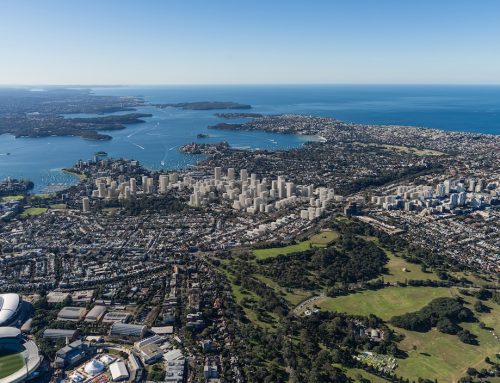
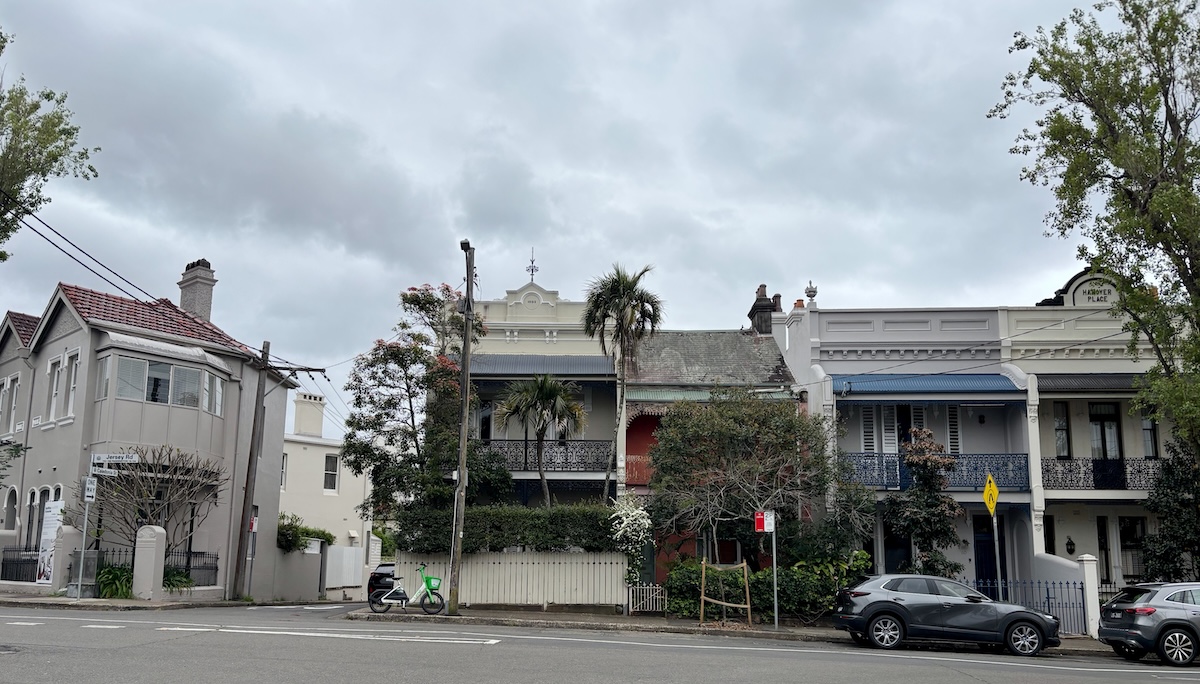
While there is a clear need for more housing, the report raises serious concerns for established suburbs such as Paddington, where heritage controls, established streetscapes and the existing scale of development are an important part of what makes the area liveable and distinctive.
The report argues that planning controls can restrict housing supply and recommends relaxing land-use controls and better coordinating infrastructure. Among its proposals are allowing three-storey buildings on most residential land, reducing minimum lot sizes and encouraging more mid and high-rise development in areas with high housing demand.
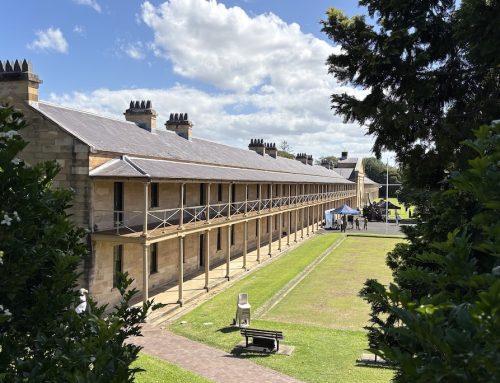
More concerning for heritage areas, the Commission is seeking views on removing or reducing controls such as maximum floor space ratios, minimum dwelling sizes, heritage overlays and character areas. These controls are not simply barriers to development. In suburbs like Paddington they help protect historic buildings, streetscapes, gardens, views and the overall character of the area.
Increasing housing capacity without considering these local qualities could result in substantially more development while placing greater pressure on already constrained streets, footpaths, parking, public transport and community infrastructure.
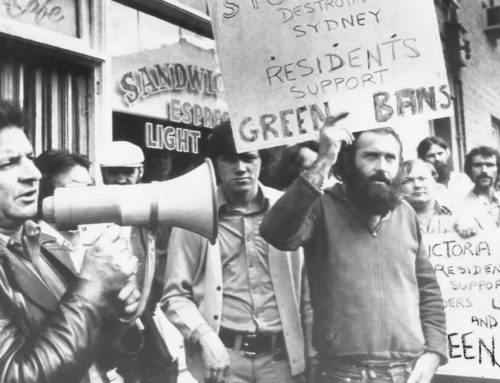
The report also raises questions about third-party appeal rights and asks for examples of best practice in strategic planning. These issues matter because changes to the planning system should not remove the ability of local communities to have a meaningful say about development in their neighbourhoods.
The challenge is to provide more housing without simply treating established suburbs and their heritage protections as obstacles to be removed. The Society believes that changes should consider the capacity of existing infrastructure, the character and heritage significance of local areas, and the cumulative impact of development over time.
The Productivity Commission invited interested people and organisations to make a written submission by 30 September 2026.